Advancing the Breakroom Experience
A professional office micro market provides a level of quality and selection that standard vending machines simply cannot match. By utilizing an open-concept display, staff members can see the variety of fresh foods, healthy alternatives, and premium beverages available to them. This transparency and ease of access allow team members to make informed decisions about their nutrition, leading to better energy management throughout the day. When high-quality refreshments are located just steps away from their workspace, employees are more likely to stay energized and focused.
The Efficiency of Modern Systems
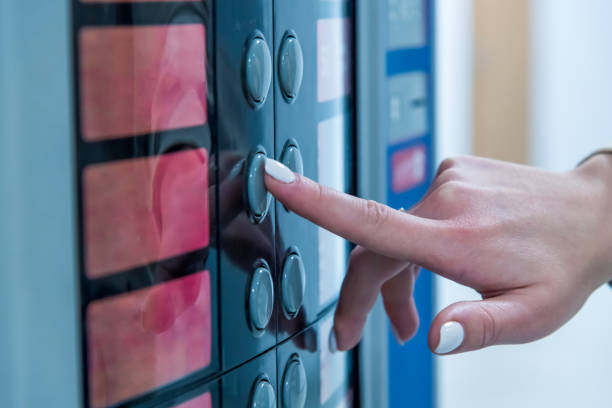
Operating a contemporary facility requires systems that are both reliable and low-maintenance for the administrative staff. The integration of unattended retail technology enables a completely autonomous environment where employees can quickly grab what they need and complete their transaction through a self-service kiosk. This streamlined process eliminates the long queues and logistical hurdles often associated with external food options. By reducing the time required to procure refreshments, the organization ensures that the team spends their breaks actually resting rather than navigating the logistics of food service.
Leveraging Data for Better Inventory
One of the most significant advantages of moving toward automated refreshment solutions is the ability to leverage real-time data for better management. Digital tracking tools provide instant insights into which items are most popular, allowing for a personalized inventory that matches the specific preferences of the staff. This data-driven approach minimizes waste, as supplies are ordered based on actual consumption patterns rather than guesswork. With fewer expired goods and more frequent access to preferred brands, the overall efficiency of the breakroom increases, providing a better return on investment for the company.
Designing Spaces That Foster Connection
Beyond the immediate benefit of food access, these modern refreshment hubs often act as a central meeting point for professional connection. In an era where many tasks are handled through digital communication, having a physical space where employees can gather for a few minutes is essential for team building. These areas promote organic interaction, allowing colleagues to share ideas and maintain strong interpersonal relationships. By designing these spaces with comfort and accessibility in mind, companies can transform a simple break area into an active center of communication and collaboration.
Prioritizing Employee Wellness
Commitment to health and wellness has become a defining characteristic of successful, forward-thinking organizations. By stocking high-quality, nutritious products within the workplace, businesses send a strong message that they care about the long-term well-being of their personnel. This focus on health contributes to reduced stress levels and helps maintain a productive work environment that people feel good about being in every day. When the company invests in these amenities, it reinforces a positive employer brand that attracts candidates who value a supportive and well-resourced workplace.
Conclusion
The shift toward modernized, automated refreshment solutions is a strategic decision that benefits both the organization and its employees. By providing a convenient, high-quality, and data-driven experience, businesses can create a more efficient and positive work environment. As companies continue to seek new ways to optimize their daily operations, the integration of these smart systems will undoubtedly become a cornerstone of professional office design, ensuring that teams remain motivated, satisfied, and ready for any challenge.