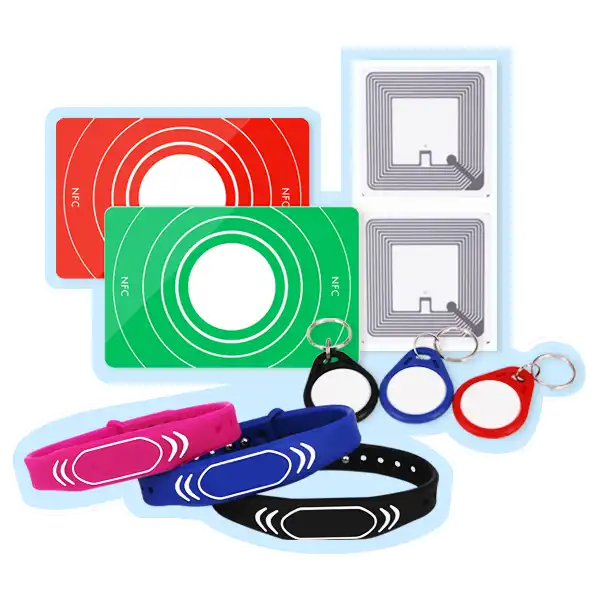
Selecting the right wristband for an RFID deployment is more nuanced than most buyers initially expect. The form factor looks simple enough, a band that wraps around a wrist with a chip inside. However, the variables of chip type, material, closure mechanism, print options, and encoding requirements mean there are genuinely important decisions to make before placing an order. Getting those decisions right determines whether your deployment runs smoothly or creates friction for staff and end users alike.
Understanding the Environment First
The single most important factor in choosing RFID wristbands is the environment in which they will be used. A concert wristband that gets worn for one evening has fundamentally different requirements than a hospital patient wristband that must survive three or four days of continuous wear, washing, and clinical contact. A water park wristband needs to function flawlessly after being submerged dozens of times throughout a single day.
Before thinking about chip type or printing options, map out the physical conditions your wristbands will face. Temperature ranges, moisture exposure, chemical contact, duration of wear, and whether the band must be tamper-evident or reusable all shape which material and construction is appropriate.
Material Choices and What They Mean in Practice
Silicone: The most popular material for multi-day events and hospitality. Silicone is naturally waterproof, comfortable against skin for extended wear, and available in virtually any color. It holds up through swimming, sweating, showering, and general physical activity without degrading. Silicone wristbands typically use a snap closure or a cable tie-style locking mechanism that discourages removal and transfer.
Fabric: Lightweight and breathable, fabric wristbands suit festival environments where comfort over one or two days matters. They absorb moisture rather than repelling it, which limits suitability for aquatic environments but makes them comfortable in warm weather conditions.
Tyvek: A disposable, low-cost option for single-day events where reuse is not intended. Tyvek wristbands with embedded RFID tags offer a cost-effective way to automate entry scanning without investing in returnable credentials.
Hard ABS or PVC: Rigid wristbands with molded-in RFID inlays are extremely durable and easy to clean, making them suitable for healthcare environments, amusement parks, and industrial settings where repeated disinfection is standard practice.
Chip Selection for Wristband Applications
The chip inside the wristband must match the reader infrastructure of your system. For event payment and access applications using NFC readers and smartphone compatibility, NTAG213 and NTAG215 are practical choices. For established access control systems using Mifare technology, Mifare Classic 1K or Mifare DESFire variants ensure immediate compatibility.
RFID cards and wristbands often use identical chips, but the antenna design within the wristband must account for its flexible, curved form factor. A well-designed antenna maintains consistent read performance even when the wristband is bent or flexed on the wrist, which requires manufacturing expertise that not every supplier possesses.
Closure Mechanisms and Tamper Evidence
The closure on a wristband affects both security and user experience. One-time locking closures that cannot be reopened without cutting the band are ideal for events and healthcare environments where transfer between individuals is a security concern. Adjustable closures work better for reusable hospitality applications where the same wristband is issued and returned multiple times. Snap closures balance ease of use with reasonable tamper resistance for lower-security scenarios.
Printing and Branding Possibilities
Wristbands are one of the highest-visibility branded items at any event. Every attendee wears your design on their wrist for hours, often in densely photographed environments like concert crowds or festival grounds. Full color silkscreen printing on silicone, or inkjet printing on fabric and Tyvek, brings logos, event names, sponsor branding, and color themes to life effectively.
Sequential numbering and QR code printing can be added alongside RFID encoding, creating multi-modal identification options that provide redundancy if readers are unavailable in certain areas of a venue.
Factory Quality Testing for Wristbands
With wristbands, quality failures are immediately visible and immediately disruptive. A guest whose wristband does not scan at a payment terminal or access gate experiences immediate frustration, and resolving it requires staff time and creates delays for others. Manufacturers who test every wristband before shipping eliminate that failure mode at the source, which is why the 100% pre-shipment testing standard matters so much in practice.
Conclusion
Choosing the right RFID wristband is a decision that rewards careful thought. When the material, chip, closure, printing, and encoding are all matched to the specific environment and application, wristbands perform beautifully and create the seamless experience that event organizers, healthcare providers, and hospitality operators are aiming for. The time invested in making these selections correctly before ordering pays back immediately once deployment begins.